
 English
 Spanish
 French
 German
 Italian
 Chinese (Simplified)
 Japanese
 Korean
 Arabic
 Portuguese
Call us now
08045813891

 Send Inquiry
Universal Testing Machine
Price 230000 INR/ Unit
Universal Testing Machine Specification
- Humidity
- Up to 85% RH (non-condensing)
- Accuracy
- 1 %
- Interface Type
- USB/RS232
- Resolution
- 0.01 kN
- Product Type
- Universal Testing Machine
- Features
- Automatic Data Logging, Overload Protection, Digital Display
- Port Size
- Standard
- Operating Voltage
- 220-440 Volt (V)
- Usage
- Industrial
- Equipment Type
- Universal Testing Machine
- Application
- Tensile, Compression, Bending, Shear Testing for Metals, Polymers, etc.
- Temperature
- 10C - 40C Celsius (oC)
- Automation Grade
- Automatic
- Test Range
- 0 - 100 kN
- Voltage
- 220-440 Volt (v)
- Power Supply
- Electric
- Max Height
- 1500 mm
- Display Type
- Digital
- Mounting Type
- Floor Mounted
- Frequency
- 50 Hz Hertz (HZ)
- Number of Specimens
- Single test at a time
- Material
- Metal
- Machine Weight
- 500 Kilograms (kg)
- Test Speed
- 0.5 - 500 mm/min (variable)
- Test Width
- 300 Millimeter (mm)
- Test Stroke
- 600 mm
- Control Mode
- Digital/Computerized
- Load Cell Type
- Strain gauge based
- Frame Construction
- Rigid, heavy duty steel construction
- Grip Type
- Interchangeable grips for multiple tests
- Data Output
- Digital printer & PC connectivity
- Safety Mechanism
- Overtravel limit switch, Emergency stop
Universal Testing Machine Trade Information
- Minimum Order Quantity
- 1 Unit
- Supply Ability
- 10 Units Per Month
- Delivery Time
- 20 Days
- Main Domestic Market
- All India
About Universal Testing Machine
Universal Testing Machine (UTM)
A Universal Testing Machine (UTM) is a highly versatile instrument used to determine the mechanical properties of materials under various types of loading. It plays a vital role in quality control, research and development, and academic laboratories by providing accurate and reliable test results.
The UTM works by applying a controlled loadeither in tension (pulling) or compression (pushing)to a test specimen until it either fails (breaks, bends, or deforms permanently) or reaches a specified test limit. During this process, the machine continuously measures and records two critical parameters:
-
Force (Load Applied): The amount of stress or load applied to the specimen.
-
Deformation (Displacement/Strain): The change in shape, elongation, or compression that the specimen undergoes.
By analyzing this data, engineers and researchers can determine key material properties such as:
-
Tensile Strength (maximum stress a material can withstand when stretched)
-
Compressive Strength (resistance against crushing or compression)
-
Elastic Modulus (Stiffness) (ability to resist deformation)
-
Ductility (extent of plastic deformation before failure)
-
Yield Point (onset of permanent deformation)
Because of its universal design, the machine can test a wide variety of materials, including metals, plastics, rubbers, textiles, wood, composites, and ceramics. With suitable grips and fixtures, it can also perform specialized tests such as bending, shear, peel, and flexural strength tests.
In short, the UTM is an indispensable tool in modern material testing because it helps ensure that materials and finished products meet the required strength, safety, and durability standards.
| Capacity | 100-1000 kN |
| Material | Mild Steel, Stainless Steel |
| Phase | Three Phase |
| Power | 1.0-2.6 kW |
| Voltage | 400-440 VAC |
| Power Source | Electric |
| Surface Treatment | Paint Coated |
| Brand | Shambhu Nath & Sons |
| Max Working Width | 450 mm |
| Load Resolution (20,000 counts full scale) | 5-50 N |
| Usage/Application | Used to test the tensile strength and compressive strength of materials |
| Diameter of Rollers | 30-50 mm |
| Weight (approx.) | 1500 Kg |
FAQs of Universal Testing Machine:
Q: How does the Universal Testing Machine ensure accurate measurement of material strength?
A: This machine employs a strain gauge-based load cell with 1% accuracy and a resolution of 0.01 kN. Its digital control and instant response time (<100 ms) guarantee highly precise readings during tensile, compression, bending, and shear tests.Q: What types of specimens and materials can be tested using this equipment?
A: It is suitable for single tests with specimens up to 30 mm in diameter (round) or 15 mm in width (flat), accommodating metals, polymers, and other industrial materials. Interchangeable grips allow for easy adjustment to different specimen shapes.Q: When should the safety features like the emergency stop and overtravel limit switch be used?
A: These safety functions should be activated immediately in the event of any abnormal operation or mechanical overtravel to protect both the user and the specimen from potential damage or accidents.Q: Where can the Universal Testing Machine be installed and utilized?
A: This floor-mounted equipment is ideal for installation in industrial laboratories, manufacturing quality control zones, and research facilities, especially those handling metals and polymers in India or similar environments.Q: What is the process for logging and exporting test data from the machine?
A: Automatic data logging is supported, and results can be output via digital printer and transferred to a PC using USB/RS232 interfaces. This allows for seamless documentation and further analysis of testing outcomes.Q: How does the variable test speed benefit different types of material tests?
A: The test speed can be set anywhere between 0.5 to 500 mm/min, enabling customized testing protocols according to the requirements of distinct materials and standards. This adaptability facilitates optimal test conditions for precision results across multiple applications.Q: What are the main advantages of using a computerized control mode in this testing machine?
A: Computerized control mode offers enhanced accuracy, repeatability, and ease of data management. It also allows integration with diverse software for expanded analysis, improving overall efficiency and reliability of material testing.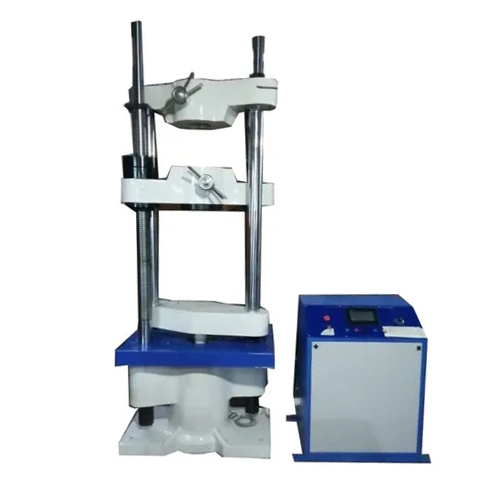


Price:
- 50
- 100
- 200
- 250
- 500
- 1000+

More Products in Industrial Testing Machine Category
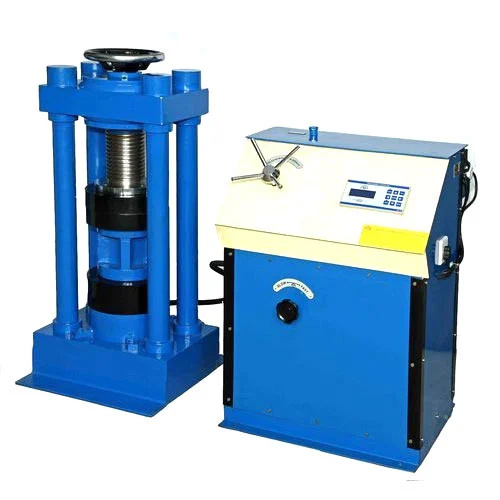
Four Pillar Type Digital Compression Testing Machine
Price 90000 INR / Unit
Minimum Order Quantity : 1 Unit
Material : Metal
Power Supply : Electric
Usage : Industrial
Product Type : Four Pillar Type Digital Compression Testing Machine
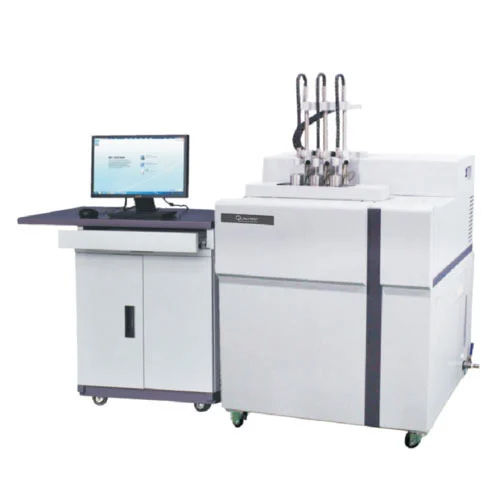
PVC Pipe Testing Machine
Price 105000 INR / Unit
Minimum Order Quantity : 1 Unit
Material : Metal
Power Supply : Electric
Usage : Industrial
Product Type : PVC Pipe Testing Machine
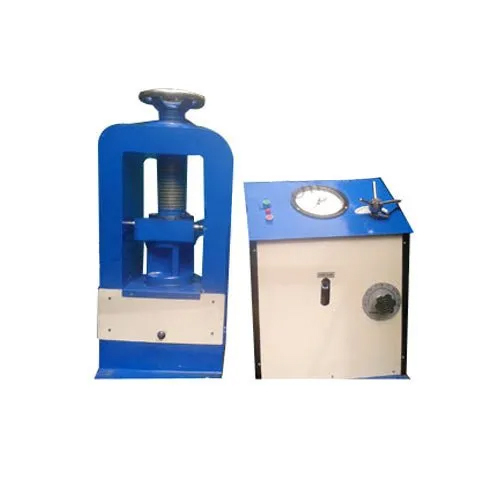
Electric Compression Testing Machine
Price 55000 INR / Unit
Minimum Order Quantity : 1 Unit
Material : Metal
Power Supply : Electric
Usage : Industrial
Product Type : Electric Compression Testing Machine
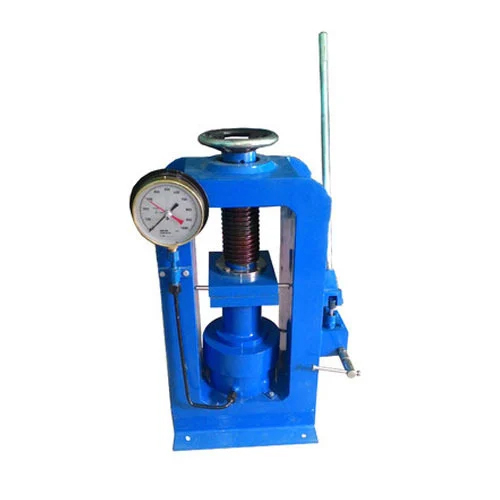
Manual Compression Testing Machine
Price 45000 INR / Unit
Minimum Order Quantity : 1 Unit
Material : Metal
Power Supply : Not Required (Manual Operated)
Usage : Industrial
Product Type : Manual Compression Testing Machine

GST : 07ADYPN3429R1ZG

 Send Inquiry
Mobile : 9267903394,8076686035
 Send Inquiry
 Send SMS
Developed and Managed by Infocom Network Private Limited.

