
 English
 Spanish
 French
 German
 Italian
 Chinese (Simplified)
 Japanese
 Korean
 Arabic
 Portuguese
Call us now
08045813891

 Send Inquiry
PVC Pipe Testing Machine
Price 105000 INR/ Unit
MOQ : 1 Unit
PVC Pipe Testing Machine Specification
- Resolution
- 0.01 mm
- Display Type
- Digital / LCD Display
- Test Range
- 0-1000 kg
- Number of Specimens
- 1 to 3 per cycle
- Automation Grade
- Semi-Automatic / Automatic
- Material
- Metal
- Voltage
- 220 Volt (v)
- Features
- Automatic data recording, Safety lock, Overload protection
- Hardness
- As per IS standard
- Port Size
- 1/2 inch to 4 inch (customizable)
- Max Height
- 1400 mm
- Mounting Type
- Floor mounted
- Equipment Type
- PVC Pipe Testing Machine
- Product Type
- PVC Pipe Testing Machine
- Interface Type
- USB / RS232
- Humidity
- Up to 95% RH, non-condensing
- Power Supply
- Electric
- Usage
- Industrial
- Application
- Tensile and pressure testing of PVC pipes
- Test Speed
- 10-50 mm/min (variable)
- Test Stroke
- 0-500 mm
- Control Mode
- Digital Control / PLC Control
- Software
- PC-based test management software provided
- Protection Class
- IP54
- Cycle Time
- 30-300 s adjustable
- Calibration
- Factory calibrated, certificate provided
- Clamp Type
- Self-centering clamps
- Motor Type
- Servo Motor / Stepper Motor
- Color
- Blue / Grey (custom options available)
PVC Pipe Testing Machine Trade Information
- Minimum Order Quantity
- 1 Unit
- Payment Terms
- Cash in Advance (CID)
- Supply Ability
- 10 Units Per Month
- Delivery Time
- 20 Days
- Main Domestic Market
- All India
About PVC Pipe Testing Machine
PVC Pipe Testing Machine is used to test the quality of polyvinyl chloride (PVC) pipes. It can measure the internal and external pressure resistance of PVC pipes, determine the flexibility and tensile strength, and assess the impact resistance of the pipes. The machine works by applying hydraulic pressure to the pipe and then monitoring the deformation of the pipe and the pressure required to cause failure. It can also measure the bending resistance of the PVC pipe under a given load. PVC Pipe Testing Machine is widely used in industries such as plumbing, construction, and agriculture to ensure the quality and durability of PVC pipes.
Accurate and Reliable Testing
Ensure compliance with IS standards using this industrial-grade PVC Pipe Testing Machine. The systems 1% accuracy and 0.01 mm resolution are ideal for evaluating durability and strength. Factory calibration with certification guarantees reliability, while automatic data recording and overload protection optimize operational safety and workflow.
Advanced Control and Flexibility
Experience superior control with digital and PLC interfaces, adjustable test cycles, and customizable port and specimen sizes. The included PC-based management software enables seamless data archiving and analysis, while the machine accommodates up to three specimens per testing cycle. The variable test speeds and customizable color options further extend its versatility.
Safety and Convenience Features
Engineered for industrial environments, the machine incorporates safety locks, overload protection, and IP54-rated casing to withstand up to 95% relative humidity and temperatures up to 50C. The floor-mounted design ensures stability, while semi-automatic or automatic operation options cater to different user requirements. Easy USB/RS232 connectivity streamlines user experience.
| Material | Stainless Steel |
| Brand | Shambhu Nath & Sons |
| Weight | Upto 170 kg |
| Voltage | 220 V |
| Pipe Diameter Range | 2 - 1600 mm |
| Pressure Resolution | 0.001Mpar ( 0.01bar or 1PSI) |
| Timing Mode | Counter-up,counter-down |
| Timing Range | 0 - 10000h |
| Control Mode | Desktop PC |
FAQs of PVC Pipe Testing Machine:
Q: How does the PVC Pipe Testing Machine ensure precise measurement during tests?
A: The machine provides high accuracy (1%) and a fine resolution of 0.01 mm through its digital control and factory calibration. Automatic data recording and advanced sensors ensure reliable and repeatable measurements for tensile and pressure testing.Q: What type of motors power this equipment and how do they improve testing?
A: The PVC Pipe Testing Machine utilizes servo motors or stepper motors, which offer precise control of test speed and stroke. This contributes to consistent and adjustable testing cycles, enhancing the quality of test results.Q: When should I calibrate the machine, and is a calibration certificate included?
A: Calibration is factory-set for each unit, and a calibration certificate is provided upon delivery. This ensures immediate testing accuracy; however, periodic calibration recommendations depend on usage frequency and industry standards.Q: Where can the PVC Pipe Testing Machine be installed and used?
A: Designed for industrial environments, the machine is floor-mounted and suited for test labs, manufacturing units, and QA departments dealing with PVC pipe testing. It operates efficiently within ambient temperatures up to 50C and humidity up to 95% RH.Q: What is the process for tensile and pressure testing on this machine?
A: Users position up to three PVC pipe specimens in self-centering clamps, set the test parameters via PC software, and initiate the cycle. The machine measures tensile force and pressure, records data automatically, and displays results through the digital or LCD display.Q: How does the machine benefit my businesss quality assurance procedures?
A: With automatic data recording, high accuracy, adjustable cycles, overload protection, and comprehensive software integration, the machine streamlines testing, ensures product quality, and supports compliance with Indian standards. Customizable options further adapt the system to specific needs.Q: What kind of pipes and specimen sizes are supported by the equipment?
A: The machine accommodates PVC pipes with port sizes from 1/2 inch to 4 inch and specimen diameters from DN20 to DN100 mm, covering a wide range of industrial testing requirements. Custom port sizes are also available on request.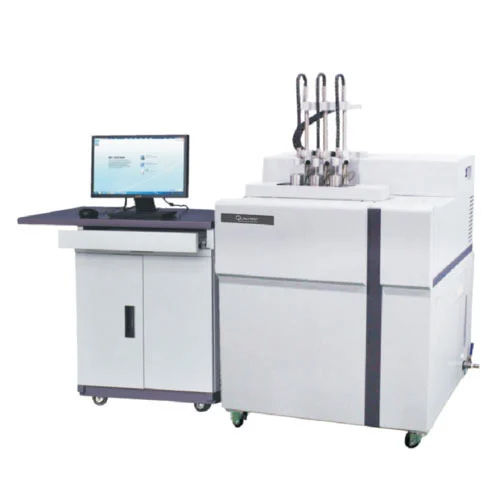
Tell us about your requirement

Price:
Quantity
Select Unit
- 50
- 100
- 200
- 250
- 500
- 1000+
Additional detail
Mobile number
Email

More Products in Industrial Testing Machine Category
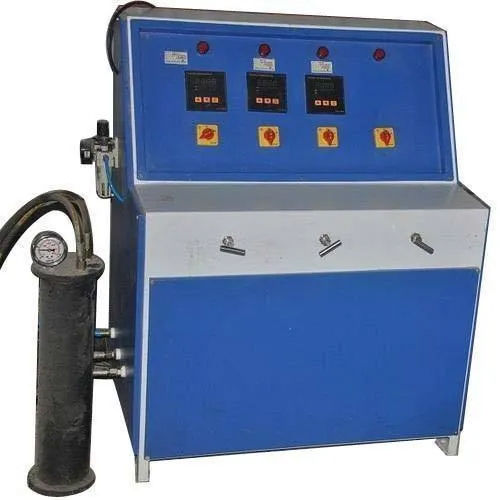
Hydrostatic Pressure Testing Machine
Price 120000 INR / Unit
Minimum Order Quantity : 1 Unit
Voltage : 220440 Volt (v)
Material : Metal
Power Supply : Electric
Usage : Industrial
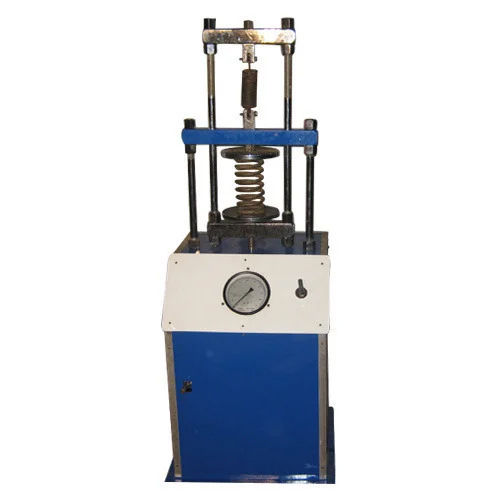
Spring Testing Machine
Price 45000 INR / Unit
Minimum Order Quantity : 1 Unit
Voltage : 220 Volt (v)
Material : Metal
Power Supply : Electric
Usage : Industrial
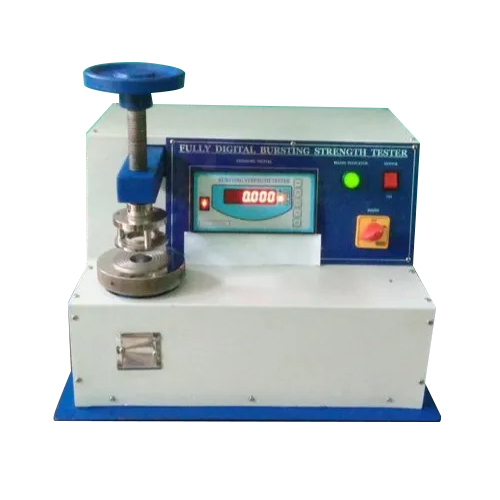
Digital Bursting Strength Testing Machine
Price 42000 INR / Unit
Minimum Order Quantity : 1 Unit
Voltage : 220 Volt (v)
Material : Metal
Power Supply : Electric
Usage : Industrial
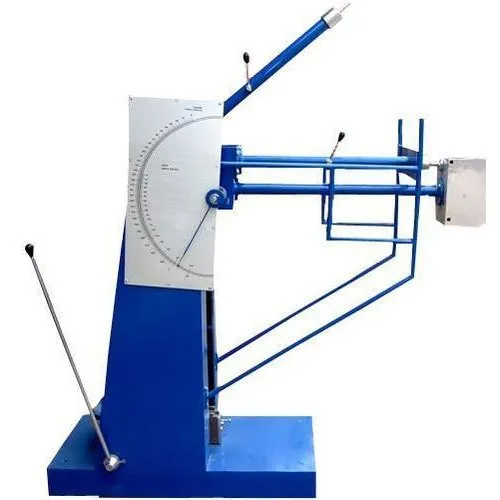
Industrial Metal Impact Testing Machine
Price 35000 INR / Unit
Minimum Order Quantity : 1 Unit
Voltage : 220 Volt (v)
Material : Metal
Power Supply : 220 V, 50 Hz
Usage : Industrial

GST : 07ADYPN3429R1ZG

A-36, Sainik Enclave, Mohan Garden,New Delhi - 110059, India
Phone :08045813891
 Send Inquiry
Mr. Surjeet Singh (Proprietor)
Mobile : 9267903394,8076686035
Mobile : 9267903394,8076686035
 Send Inquiry
 Send SMS
SHAMBHU NATH & SONS
All Rights Reserved.(Terms of Use)
Developed and Managed by Infocom Network Private Limited.
Developed and Managed by Infocom Network Private Limited.

